1. Обзор
При финансировании устойчивого развития политики сталкиваются с множеством препятствий и проблем. Оценка потребностей в финансировании, текущей ситуации и рисков позволяет выявить проблемы, возможности и угрозы в финансовой политике. Она указывает на области, где фундаментальные рыночные, политические или ресурсные ограничения могут препятствовать эффективной мобилизации и использованию финансовых средств. Диагностика критических ограничений углубляет анализ препятствий и их первопричин, опираясь на опыт и знания местных институтов и участников, а также на соответствующие инструменты. Это помогает определить фокус стратегии финансирования и расставить приоритеты.
Цель состоит в том, чтобы ответить на следующие вопросы:
2. Ценность диагностики ограничивающих факторов
Диагностика ограничивающих факторов может помочь лицам, принимающим решения:
Выявить критические «узкие места», препятствующие в настоящее время способности страны адекватно финансировать устойчивое развитие;
Взвесить относительную важность выявленных «узких мест» и рассмотреть возможность их устранения или преодоления, в том числе с учетом важных компромиссов;
Создать систематический и прозрачный подход для обоснования расстановки приоритетов и последовательности действий в области политики финансирования и реформ.
Assess existing capacity to manage identified risks;
Identify opportunities for risk reduction policies and investments, enable innovation to prevent and reduce risks, enhance resilience and minimise the impact of shocks on the country’s ability to finance sustainable development in the future;
Internalize externalities within financial decision-making for realistic financing and investment and extend the time-horizon of financing strategies, by encouraging a forward-looking perspective;
Enhance coherence and facilitate more effective alignment between investments and policy interventions today and sustainable development outcomes envisioned for the future.
Диагностика ограничивающих факторов не требует полного знания всех деталей существующей ситуации. Важно выявить искажения, прямое воздействие которых может быть значительным в конкретном национальном контексте. Хотя политики пытаются выявлять и устранять ограничения в своей повседневной работе, более систематический и целенаправленный подход может помочь обнаружить препятствия, которые в противном случае остались бы незамеченными. Это также делает процесс расстановки приоритетов, который по своей сути является политическим, более обоснованным и прозрачным. Во вставке 1 освещены ключевые характеристики таких инкрементальных подходов к реформам, включая итеративный характер процесса и важность опоры на местные практические знания для проведения глубоко контекстуального анализа.
3. Область применения и ограничения
Существует множество «узких мест», которые могут ограничивать способность стран финансировать устойчивое развитие — как в отношении мобилизации адекватных объемов финансирования (государственного и частного), так и в отношении обеспечения эффективного согласования финансовых потоков с определенными приоритетами устойчивого развития. В контексте НМФР (INFF) основное внимание уделяется препятствиям, на которые правительства могут прямо или косвенно влиять посредством разработки и реализации стратегии финансирования и соответствующих политических реформ (см. структурный блок 2). Соответствующие «узкие места» могут быть связаны с экономикой или рынком, политикой, либо с институциональными аспектами или потенциалом. В таблице 1 приведены примеры, основанные на анализе на уровне стран и охватывающие различные области политики финансирования.
Таблица 1. Примеры ограничивающих факторов
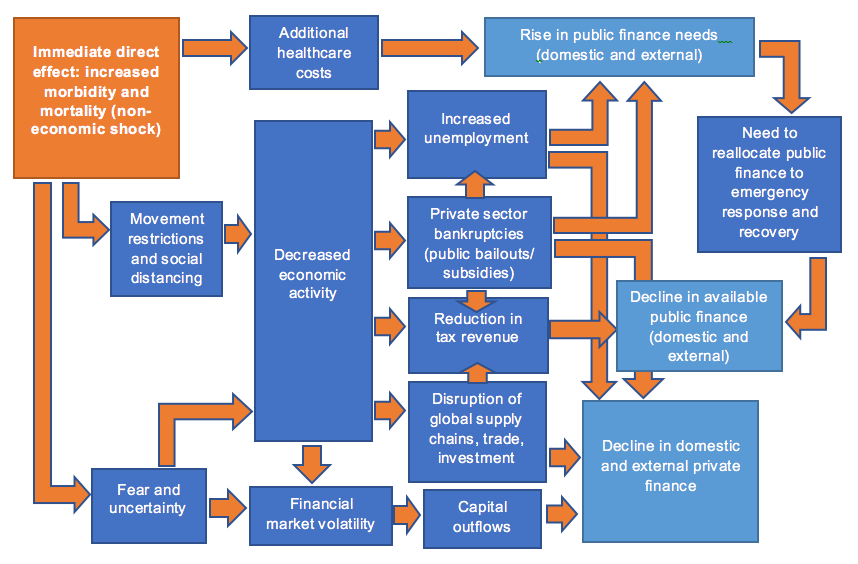
Подход к выявлению ограничивающих факторов, описанный в разделе 4, объединяет данные, полученные в ходе диалога с экспертами и практиками, а также результаты применения различных инструментов для обнаружения препятствий, наиболее актуальных в контексте конкретной страны. Такие инструменты могут быть количественными и качественными и опираться на широкий спектр методологий, включая эконометрический анализ, анализ исторических тенденций, опросы и системы балльной оценки, подобные тем, что обычно используются для измерения государственного потенциала.
Несмотря на широту охвата и практические преимущества, анализ ограничивающих факторов имеет ряд недостатков:
Table 1. Illustrative examples of the different types of risk that can affect a country’s ability to finance sustainable development priorities
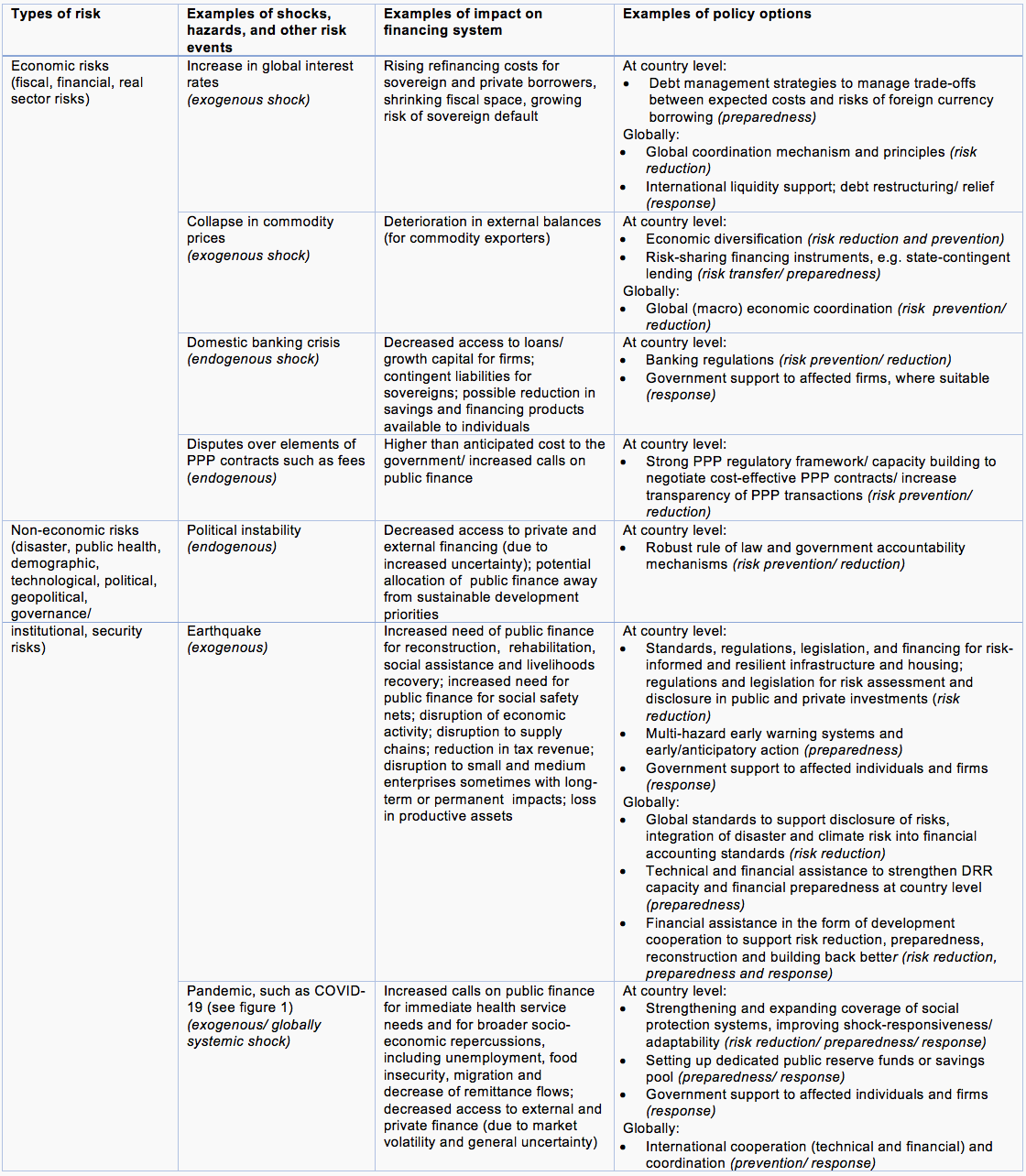
Depending on country circumstances, risk profiles and thus the focus and scope of risk assessments, will differ. Country-specific underlying factors – such as GDP composition, the level of openness of the economy, the size of the financial sector, levels of inequality such as gender inequality, the political context, institutional capacity to understand and manage risk, the socio-demographic situation (e.g. youth bulge, ageing society, urbanization trends), or geographical location – can increase exposure and vulnerability to shocks such as those illustrated in Table 1. Understanding these factors will help determine the drivers of risk and the type of policies that may be best suited to prevent, reduce and manage residual risks.
Independent of the context, a number of limitations can affect the depth and scope of risk assessments. They include:
Uncertainty. Financing policy decisions are undertaken in a context of risk and uncertainty. Not all events can be anticipated, or their potential impact fully quantified. Technologies and instruments such as enhanced projections and early warning systems can help to close knowledge gaps and to better deal with inherent uncertainty, in addition to investing in system resilience more broadly.
Varying understanding of different types of risk. Diagnostics tools may be more developed for some types of risks than others. There are also limited tools for understanding and addressing the systemic nature of risk or to explore interlinked, long-term effects. Improved coordination, common methodologies, terminologies and metrics for the analysis of risk data between sectors is much needed, including interoperability between systems to collect and analyse data across sectors, e.g. between climate transition risk, disaster risk, and financial risk assessments.
Limitations in risk information. For example, large gaps in data and information on vulnerability (both social and environmental) are widely recognised as limiting factors in risk reduction as they prevent a thorough understanding of patterns of vulnerability and exposure to risk. Local stakeholders’ experience and insight can often supplement available evidence and help fill gaps in relevant data and information.
Global systemic risks. National risk assessments can guide domestic policy action, but they cannot reduce all risks faced by a national economy, nor reduce globally systemic risks. Risk assessments at the national level must be complemented by regional and global systemic risk assessments and measures, with an emphasis on the needs of the poorest and most vulnerable countries.
4. Практическое руководство — Оценка ограничивающих факторов
Оценки потребностей в финансировании, ландшафта и рисков (см. структурные блоки 1.1, 1.2 и 1.3) дадут первоначальное представление о потенциальных проблемных областях и сориентируют диагностику ограничивающих факторов. Например, дефицит финансирования на отраслевом уровне может выявить значительное недоинвестирование или недофинансирование; анализ государственных финансов может показать, что уровень налоговых поступлений ниже национальных ожиданий и целевых показателей; оценки рисков укажут на основные риски, которые могут препятствовать финансированию.
Это понимание можно объединить с выводами других соответствующих оценок FN2, которые могут сигнализировать об областях низкой эффективности и возможностей, и, что крайне важно, со знаниями и информацией с уровня реализации (например, местных экспертов). Запрос таких знаний на данном этапе обеспечит обоснованность диагностики практическим опытом; продолжение содействия диалогу с соответствующими заинтересованными сторонами (как внутри правительства, так и за его пределами) на протяжении всего процесса также послужит проверкой реальности для всего процесса (подробнее см. Шаг 2 ниже).
Выявление проблем также может опираться на картирование существующих финансовых политик и институтов, включая их цели, а также возможные компромиссы и синергию между ними. Это картирование, которое, возможно, уже было проведено на этапе подготовки, служит для выявления пробелов и слабых мест в существующем политическом и институциональном ландшафте. FN3
Следующие вопросы могут помочь в сборе соответствующей информации из этого широкого круга источников и помочь определить области финансовой политики/потоки или секторы, где анализ ограничений был бы наиболее полезен:
Figure 2. Step-by-step guidance
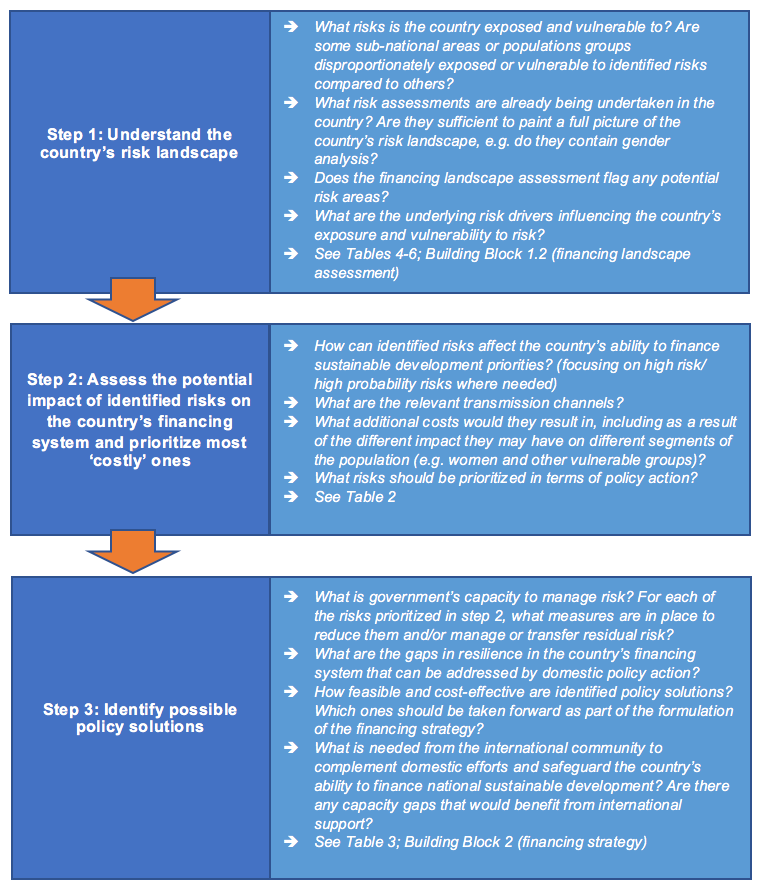
The Sendai Framework for Disaster Risk Reduction 2015-2030 was adopted by UN Member States on 18 March 2015 at the Third UN World Conference on Disaster Risk Reduction. It aims to guide multi-hazard management and reduction of disaster risk in development at all levels and within and across all sectors. While the scope of risk assessments in the context of INFFs goes beyond disaster risk, several principles and notions put forward within the Sendai Framework can be used to inform effective incorporation of risk in INFF design and implementation. The most relevant ones include:
Development needs to be risk-informed to be sustainable. Similarly, development financing policies and strategies must be risk-informed to be sustainable and effective in supporting the achievement of identified priority outcomes.
Risks must be periodically assessed in all their dimensions. INFFs provide a framework to think about development financing in an integrated and holistic manner, they are not a one-time undertaking; their value is in facilitating a ‘process approach’ to the design and implementation of development financing policies and reforms. Regular assessment of the financing landscape and risk is a crucial aspect of this process including to facilitate consideration of emerging and new threats and anticipating the reduction of their impact.
The primary role to reduce disaster risk lies with the State but all stakeholders, including the private sector, have a responsibility to contribute. INFFs are government-led, placing the primary responsibility for formulating necessary financing policies and reforms on the State; however, they can also be used to strengthen collaboration with non-state actors, encouraging a more risk-informed approach to development by all relevant stakeholders.
Risk reduction requires all-of-society engagement and partnership, paying special attention to people who may be disproportionately affected by shocks and disasters. At the core of INFF risk assessments is the analysis of the potential impact that various shocks and disasters may have on a country’s ability to finance sustainable development effectively over time. This requires a thorough understanding of the risk profiles of, and the disproportionate effects that shocks may have on different population groups, including women and other vulnerable groups – which in turn calls for participation of a wide range of stakeholders in the exercise. FN 5
Underlying risk-factors should be addressed cost-effectively through investment in prevention and risk management, instead of relying primarily on post-disaster response and recovery. INFFs encourage the long-term horizon thinking that is required to strengthen resilience and preserve sustainable development achievements overtime.
Support from developed countries and partners to developing countries needs to be tailored according to nationally identified needs and priorities. INFFs can support countries to identify key needs and inform related policy asks of development partners and global policy processes.
Step 1: Understanding the country’s risk landscape
The first step in an INFF risk assessment is to identify risks that the country is exposed and vulnerable to, and to understand the key underlying drivers. The aim is to look at the country’s risk landscape in as comprehensive a manner as possible, by drawing on a wide range of existing risk assessments and knowledge – looking across the spectrum of different risk types, and considering how exposure and vulnerability differ across sub-national areas or population groups.
Identifying relevant risks
No single assessment methodology exists that comprehensively assesses all risks or captures exposure and vulnerability to the full range of relevant shocks and crises. But this is neither necessary nor desirable (e.g. due to the differences in methodologies and approaches used to analyse different risks. FN 6 Most countries regularly assess a variety of risks – e.g. in relation to public finances and debt sustainability, financial stability, disasters, or climate change related risks. To complement and support domestic efforts, the international community offers and applies a range of tools and approaches (see Section 4.2 for an overview of existing assessments of economic and non-economic risks, and cross-cutting assessments). These existing assessments, both domestic and international, provide a starting point and will ensure that already existing knowledge, systems and processes are utilised.
For example, the IMF fiscal risk toolkit FN 7 facilitates a comprehensive and integrated understanding of potential shocks to public finance, including their scale, sources, and likelihood. Figure 3 shows common sources of fiscal risk that are covered by the assessment. It also illustrates the systemic nature of many risks, by reporting the fiscal cost of non-fiscal shocks, such as financial sector shocks, disasters and PPPs. The toolkit provides policy makers with a holistic picture of risks to public finance, a core part of the ‘system at risk’ in an INFF (see also Step 2).
Figure 3. Common sources of fiscal risk include non-fiscal shocks
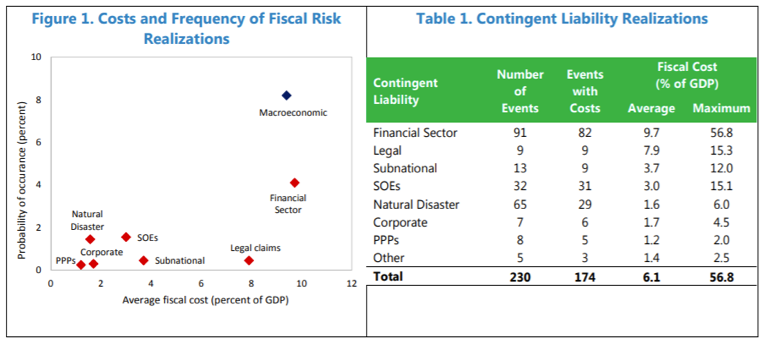
Sources: Bova and others (2016) and staff estimates. IMF (2016) Analysing and managing fiscal risks – Best Practices
Country contexts will determine which tools will be most relevant and which stakeholders should be involved. Building Block 1 Assessment and Diagnostics: Overview provides a list of public, private and civil society actors that may be involved. Consulting with them will be crucial to ensure that the perspectives, needs and experiences of risk of all relevant stakeholders are considered and to arrive at a comprehensive and shared understanding of the country’s risk landscape. It will also be helpful in assessing and understanding the links among findings from different types of risk assessments.
The financing landscape assessment (see building block 1.2 guidance) can also provide useful input. Analysis of the trends and distribution of current and potential financing can flag whether the country may be (or may become) exposed to particular types of economic risk. For example, dependency on specific types of external financing can flag exposure and potential vulnerability to volatility and external price shocks; low tax revenue capacity can flag vulnerability to endogenous fiscal risks; or low FDI may signal high perceived risk on behalf of investors resulting in low investment. Insight from financing landscape analysis can be used to identify whether additional tools (e.g. from those listed in Section 4.2) may be useful to complement existing knowledge.
Subnational risks
Exposure as well as vulnerability to identified risks will likely not be homogenous across the country. Specific geographical locations and/or population groups may be more exposed and/or vulnerable than others. To the extent possible, understanding of the country’s overall risk landscape should include an assessment of differentiated exposure and vulnerability levels, to leave no one behind. In the case of data limitations, consultations with relevant actors at the local and community level can provide relevant insight and should be encouraged (in line also with the principles set out in Box 1).
The INFORM index (a collaboration between the Inter-Agency Standing Committee Reference Group on Risk, Early Warning and Preparedness and the European Commission) provides sub-national pictures of exposure and vulnerability to disasters at the province and village levels (Figure 4). Tools such as the UNDESA-UNCDF handbook on infrastructure asset management for local and national governments, can also be used to deepen a government’s understanding of the sub-national risk landscape of the country (see more detail in Section 4.2). While comparisons among sub-national areas may not always be possible, it can be used to assess exposure of critical assets and essential services to shocks and the vulnerability levels in municipalities where it is applied.
Figure 4. Sub-national levels covered by the INFORM index
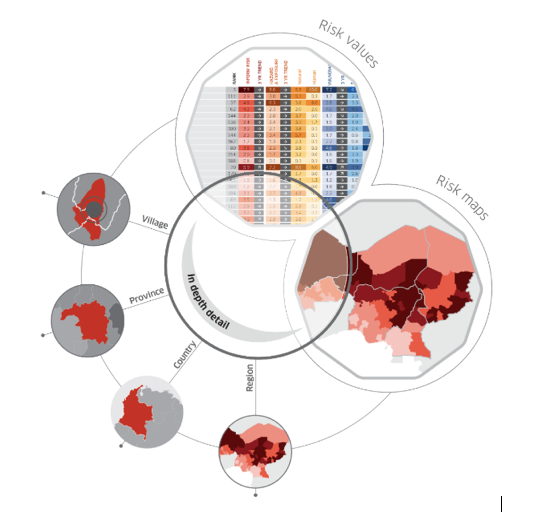
Source: https://drmkc.jrc.ec.europa.eu/inform-index
Существующие оценки PEFA могут быть использованы для анализа способности систем управления государственными финансами реагировать на COVID-19. Всемирный банк определил 8 ключевых областей, в которых правительства могут использовать отчеты PEFA для оценки устойчивости и прочности своих государственных финансов. Данные по 24 измерениям PEFA (относящимся к 14 индикаторам) могут быть особенно полезны для оценки готовности систем управления государственными финансами страны к таким потрясениям, как пандемия COVID-19. Они перечислены в таблице ниже:
Другие инструменты, основанные на методологии PEFA, сосредоточены на конкретных аспектах управления государственными финансами (УГФ), таких как Инструмент диагностической оценки налогового администрирования (TADAT) и Оценка эффективности управления долгом (DeMPA) (см. Вставку 3).
Economic factors, such as GDP composition; levels of savings and investment; level of diversification of the economy; level of openness of the economy; exchange rate regime; size and composition of the financial sector (including the insurance sector); underinvestment in asset protection (including by private sector and households); digital inclusion; unemployment rates; infrastructure quality and availability.
Geographical, climatological and environmental factors, such as physical location of the country; land use; urbanisation trends; climate change and variability; environmental degradation and biodiversity loss.
Institutional factors, such as limited understanding of risk; limited capacity, resources and/or systems to address risk; non-risk informed policies that unintendedly create risk; gaps in risk governance (including lack of clear roles and responsibilities around who ‘owns’ different risks and who should share responsibility in managing them, corruption, non-accountable and non-inclusive decision-making process); limited information sharing between relevant agencies (e.g. between economic and disaster/ environmental agencies); lack of incentives to ‘reward’ pro-active risk-related action (prior to shocks and disasters); or broader political factors, such as political stability, representation, and related issues.
Social factors, such as demographic profile and trends (e.g. youth bulge, ageing population); health and education and literacy levels; participation of civil society; e-participation; protection of civil and political rights; levels of poverty, discrimination and inequality (e.g. in relation to income, gender, ethnicity, race, disability).
Данные и информация из обзоров Форума по сотрудничеству в целях развития (DCF) ООН, а также отчеты о прогрессе, публикуемые Глобальным партнерством по эффективному сотрудничеству в целях развития (GPEDC), могут служить основой для анализа потенциальных критических ограничений, связанных с международным сотрудничеством в целях развития. Обзоры DCF сосредоточены на вопросах, связанных с пятью ключевыми факторами эффективного сотрудничества в целях развития (а именно: национальная политика сотрудничества в целях развития; страновые системы результатов; информационные системы сотрудничества в целях развития; национальные форумы сотрудничества в целях развития; и поддержка потенциала) и могут предоставить доказательства для изучения возможных ограничений, связанных с такими проблемными областями, как ограниченная координация или диалог доноров, непредсказуемость сотрудничества в целях развития, слабый мониторинг и подотчетность, а также проблемы прозрачности. Данные мониторинга GPEDC могут помочь пролить свет на потенциальные проблемы, связанные с тем, как заинтересованные стороны (включая правительства, партнеров по развитию, частный сектор и гражданское общество) взаимодействуют на страновом уровне.
Не все правительства применяли или выберут для применения упомянутые здесь инструменты. Их не следует рассматривать как предварительные условия для проведения эффективного анализа критических ограничений. Однако, если они доступны, они могут облегчить анализ и дополнить знания и информацию, собранные в ходе консультаций с заинтересованными сторонами.
Step 2: Assessing the potential impact of identified risks on the country’s financing system and prioritization
Understanding the potential impact of identified risks on the financing system is at the core of INFF risk assessments. It enables policy makers to avoid or reduce future disruptions to their ability to finance sustainable development.
Assessing the potential impact on financing of all risks identified in Step 1 will likely not be possible. In these cases, focus may be placed on high probability and/or high impact risks.
Identifying high probability/ high impact risks
Risk matrices. Risk or hazard matrices can support comparison across risk assessments and identification of the highest likelihood/ highest impact risks (Figures 5a and 5b). Such matrices classify risks by likelihood and impact and are common in both economic (e.g. IMF Art IV consultations or FATF national IFF risk assessments) and non-economic (e.g. UN DRR national disaster risk assessments) risk assessments.
Figure 5a. Example of risk matrix used in risk assessments related to money laundering and terrorism financing
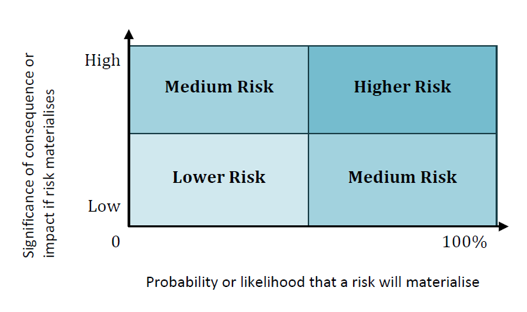
Source: FATF national ML/TF risk assessment guidance
Figure 5b. Example of risk matrix used in disaster risk assessments
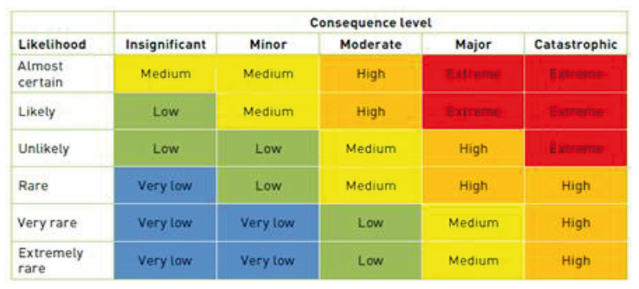
Source: UNDRR National Disaster Risk Assessment
Risk indices. Where direct comparisons between risks are possible, index-based approaches can also be used to support prioritisation (being mindful of the methodologies used, including in relation to the weights assigned to different indicators). The INFORM risk management index, for example, can be used to assess exposure, vulnerability and coping capacity related to a range of natural and man-made disasters, such as earthquakes, floods, tsunamis and tropical cyclones. UNCTAD’s Financial Conditions Indicators Index provides insight on key aspects of financial stability, by bringing together information on different financial and macroeconomic indicators, such as prices, volatility, foreign exchange rates, debt service ratios and capital flows, in a single assessment.
Having established a more limited number of major risks, the analysis of the potential impact on the country’s financing system can be narrowed down accordingly.
Linking risks to their potential impact on the country’s financing system
While some risks are already incorporated into existing economic and financial assessments, others will require additional analysis. For economic risks, impact on financing should be straightforward to infer and may be explicit in existing assessments. For example, risk matrices included in IMF Article IV Consultation reports highlight links to fiscal and financial sustainability. Risk assessments related to the use of specific financing instruments, such as PPPs, tend to focus on their potential fiscal implications. Countries also apply a range of approaches to quantify contingent liabilities related to fiscal risks, including assessments of historical data, where available, market information, and stochastic simulations or option pricing models. FN 8
For non-economic risks, dedicated risk assessment tools and approaches often employ a broader lens and focus on the potential impact of shocks and hazards on sustainable development outcomes at large, which then need to be incorporated into economic and financial analyses. However, examples exist of how the economic impact of non-economic shocks and hazards may be assessed, especially in relation to disaster risk. For example, damage and loss databases (such as DesInventar Sendai) can provide useful insight into the monetary impact of past disasters. In 2015, the Global Assessment Report on Disaster Risk Reduction outlined an approach to assess the macro-economic and public finance repercussions of disasters, via the use of models that take into account major interlinked transmission channels (such as the decline of production capacity due to capital loss on the supply side, the decline in income and asset value on the demand side, the increased need for public expenditure in response, recovery and reconstruction combined with decreasing public revenues due to reduced taxes and fees, and the resulting worsening of the fiscal balance which in turn can further negatively impact the macro-economy via for example increasing debt).
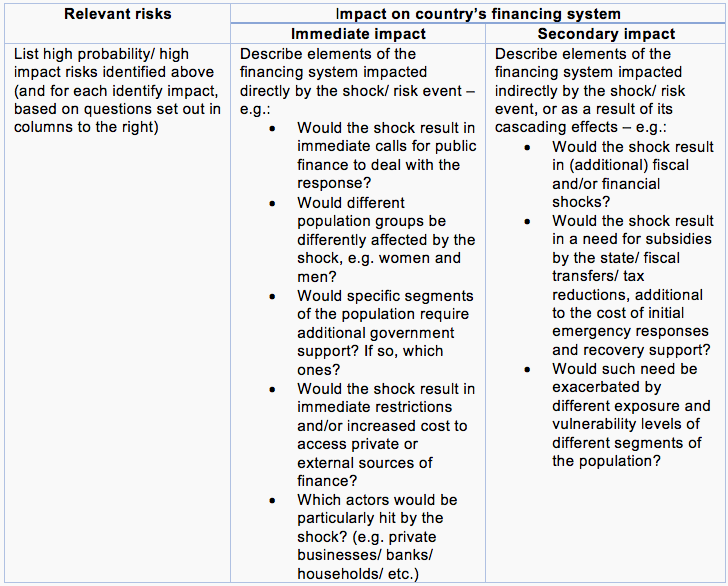
To bring together analysis of different types of risk and support prioritisation, information can be compiled in a simple format such as that proposed in Table 2. FN 9 Identifying the most relevant transmission channels (through which different shocks may impact the financing system) will encourage consideration of interlinkages between risks and the additional costs to the state, including through their differentiated impact on different segments of the population. FN 10 The higher such costs, the stronger the case to invest in policies to address the risk.
Table 2. Template for mapping the potential impact of identified risks on a country’s financing system
Step 3: Identifying possible policy solutions
Some risks can be prevented, some reduced. Residual risks may be transferred or may have to be managed and absorbed once they are realized. In some cases, this can be accomplished by discrete policy interventions (for clearly identified risks with no systemic impact), in other cases it will require more complex approaches, focused on enhancing overall resilience of a country’s financing system.
A mapping of existing policies to deal with risk in all sectors may have been undertaken as part of the initial scoping exercise within the INFF inception phase; if so, it should be referenced here, especially in relation to policies and measures related to the risks prioritised in step 2. Table 3 provides an illustration of relevant policy measures, but not all will be relevant or feasible in all contexts. They include policies related to the use of specific financing instruments as well as broader risk-related policies, such as investing in resilient infrastructure and setting up strong, risk-informed, adaptable and shock-responsive social protection systems (see also Box 3).
Measures are grouped in three broad categories:
Preventing or reducing the likelihood of shocks occurring and of hazards turning into disasters, such as measures that address underlying risk drivers and that help avoid the creation of new risk;
Reducing the negative and cascading consequences of shocks and hazards when they occur, such as preparedness measures that support countries to more effectively anticipate, respond and recover from shocks, crises or disasters;
Managing or transferring residual risk, such as measures that ensure the system retains critical abilities during a shock, crisis or disaster and can recover afterward
Table 3. Examples of measures that can strengthen the resilience of financing for sustainable development systems at the country-level
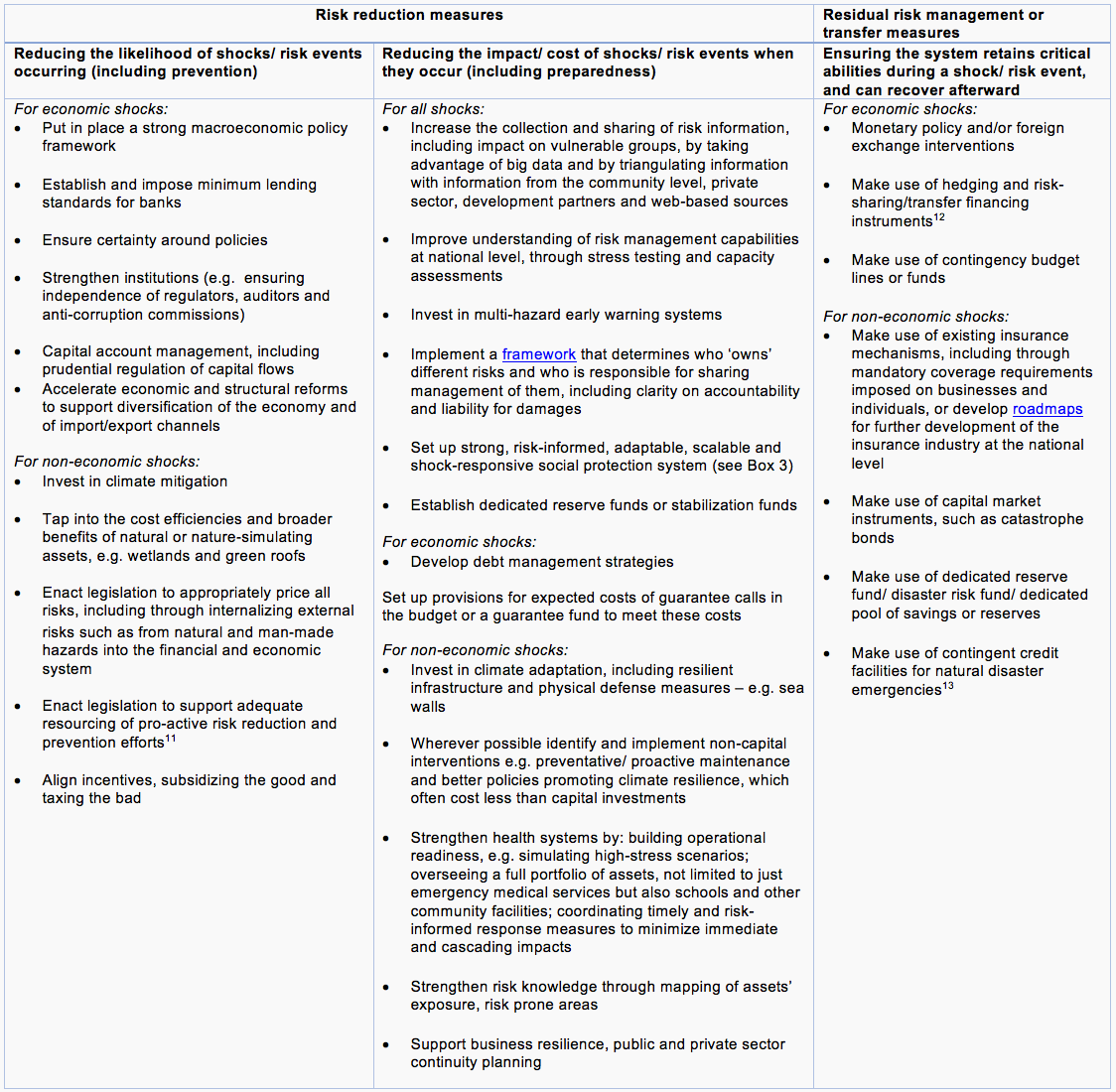
Рисунок 5. Пример матрицы для выбора приоритетных критических ограничений
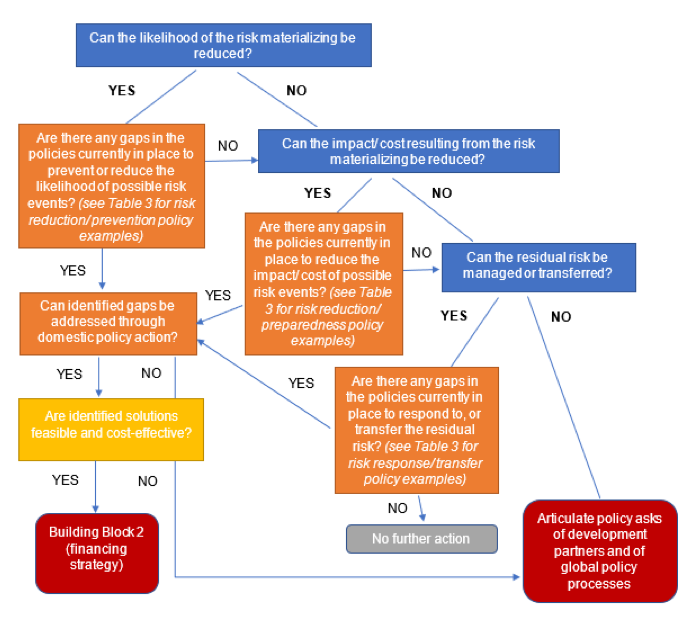
In identifying possible solutions, countries will have to determine the feasibility and cost-effectiveness of their implementation. It will depend on available resources and capacity, and societal risk aversion/ appetite. Eliminating all risk will be neither possible nor desirable, and trade-offs must be considered; for example, very high levels of deposit insurance and capital requirements may stifle credit creation and growth.
Assessments of likely costs and benefits (e.g. cost-benefit analysis) allows for evidence-based policy decisions. Such analysis typically involves: i) setting out alternatives (including comparing action and no action); ii) estimating benefits (transmission channels identified in step 2 could be a starting point for estimation of benefits, which can be defined as avoided damages, losses or extra costs); iii) calculating benefit to cost ratios; iv) carrying out a sensitivity analysis to account for uncertainties; and v) measuring impact on society (distributional or stakeholder analysis). In the disaster risk community, cost-benefit analyses have been applied in several cases to help choose among different disaster risk reduction measures.FN 14
Policy makers may also identify policy solutions that do not require substantial financial resources to implement, bearing in mind these may incur non-financial costs to specific actors and thus still require time and political capital to be pursued (e.g. changes to regulatory frameworks). As part of the financing strategy (building block 2), consideration may be given to how additional financing may be mobilised or made available to support expanded risk measures.FN 15
The fundamental role of social protection in achieving sustainable development outcomes is particularly evident when it comes to risk. A robust social protection system can enable countries to address underlying drivers of risk, such as poverty and inequality (risk prevention); reduce the negative impact of potential shocks, especially on the poorest and most vulnerable segments of the population (risk reduction); and facilitate a timely emergency response when a shock hits (residual risk management) due to the institutional mechanisms already in place that can be utilised in times of crisis too (e.g. cash transfer systems).
For example, during the COVID-19 pandemic, countries with social protection programmes in place were able to use them as channels for their response measures instead of having to establish new systems from scratch in a time of crisis. Chinese local governments were instructed to increase the benefit amounts of the national social assistance scheme; in Indonesia the same was done in relation to benefit amounts already in place to support adequate food consumption; in Ecuador, the channels of already existing social assistance programmes were used to disburse a contingency benefit that the government put in place to support workers in the informal economy.
Ultimately, social protection programmes increase resilience to shocks – of households, of economies and of countries’ ability to finance sustainable development priorities. Strengthening the interface between ministries of finance, social protection mechanisms, and forecast-based financing instruments can support resilient livelihoods pre-shock and minimize negative coping strategies in the event of a shock. By reducing the negative impact of shocks on households, social protection programmes ensure that the effect on national demand and productivity is curtailed and that recovery costs are minimised. Figure 7 illustrates the virtuous cycle of investing in social protection.
Figure 7. Decision tree to guide the identification of possible policy solutions
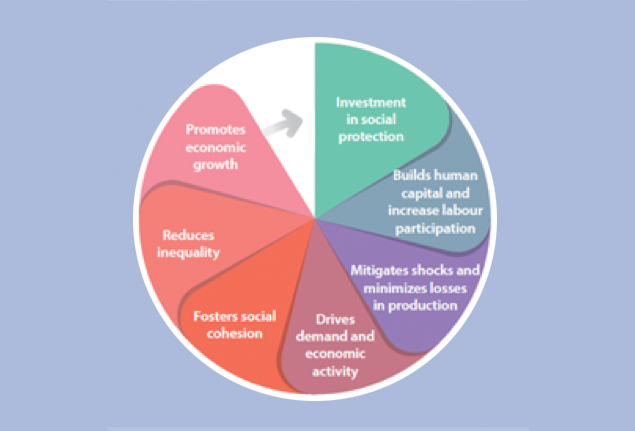
Source: UN ESCAP 2018, ‘Why We Need Social Protection’, Social Development Policy Guides
Международное сообщество предлагает ряд инструментов, помогающих странам выявлять критические ограничения. В разделе ниже перечислены наиболее распространенные из них, сгруппированные по направлениям политики финансирования (сквозные вопросы, государственные финансы, частные финансы). Также представлены тематические и отраслевые инструменты. При наличии их можно использовать в сочетании с местными инструментами и подходами, которые уже применяются политиками. Правительства могут выборочно использовать наиболее актуальные данные и информацию из результатов недавнего применения этих инструментов в своей стране или обратиться за поддержкой к соответствующим партнерам по развитию, если они хотят применить их в контексте НИФФ (в разделах ниже указаны организации, ответственные за каждый инструмент).
Сквозные инструменты
Risks covered: Fiscal, Financial, Real, External, and Contagion (latter includes exposure through trade channels and cross-border financial sector exposure)
Инструмент «Отчеты по консультациям в рамках Статьи IV МВФ» дает обзор сильных и слабых сторон, а также проблем, которые могут вызвать или привести к финансовой или экономической нестабильности в стране. В них могут быть выделены конкретные вопросы — связанные с рынком, политикой или потенциалом — которые можно использовать для определения областей потенциальных обязательных ограничений.
Risks covered: Fiscal (including at the instrument level in relation to guarantees and PPPs)
The IMF Fiscal Affairs Department Fiscal Risk Handbook includes tools and diagnostics for the assessment and management of risks for SOEs, public guarantees, quasi-fiscal activity, and public-private partnerships.
Risks covered: Fiscal
The IMF Fiscal Transparency Evaluations tool includes a pillar focused on fiscal risk analysis, management and disclosure, which provides ratings across 12 areas of fiscal risk management, including subnational risks for natural disasters, and is also used as basis for targeted, country level fiscal risk assessments by the IMF Fiscal Affairs Department.
Risks covered: Fiscal, External
This tool is used to guide borrowing decisions in LICs so that financing needs are considered alongside current and prospective repayment ability. Under the DSF, DSAs (see below) must be conducted regularly. The DSF analyses both external and public sector debt, focusing on the present value of debt obligations. Countries are classified into one of three debt-carrying capacity categories (strong, medium, weak) depending on their respective policy and institutional strengths, macroeconomic performance and buffers to absorb shocks. Indicators used draw on historical performance and outlook for real growth, international reserve coverage, remittance inflows, state of the global environment, and the World Bank’s Country Policy and Institutional Assessment (CPIA) index. Depending on the debt-carrying capacity different thresholds are used to establish level of risk.
Risks covered: Fiscal, External
The IMF Debt Sustainability Analysis tool includes: i) an analysis of a country’s projected debt burden over the medium-term (5 years), and its vulnerability to economic and policy shocks, based on stress test scenarios; ii) an assessment of the risk of external and overall public debt distress, based on indicative debt burden thresholds and benchmarks that depend on the country’s macroeconomic framework and other country-specific information.
Risks covered: Fiscal, Financial
The Credit Ratings Agency Reports on Sovereigns provide insight on default probabilities/ creditworthiness and assess future capacity and willingness to honour debt obligations, by looking at indicators of macroeconomic performance, public and external finances, as well as underlying structural factors that affect the country’s vulnerability and resilience to shocks, including political risk and governance factors.
Risks covered: Financial
The IMF Financial Sector Assessment program provides a comprehensive and in-depth analysis of a country’s financial sector (IMF and WB jointly responsible in developing and emerging economies; IMF alone in advanced economies). The analysis involves assessing the resilience of the banking and non-banking financial sectors; conducting stress tests and analysing systemic risks; examining micro and macro-prudential frameworks; reviewing the quality of supervision and financial market infrastructure oversight; and assessing development aspects such as inclusiveness, competitiveness, the quality of legal framework and of payment and settlement systems, and the financial sector’s contribution to economic growth and development.
Risks covered: External
The IMF External Balance Assessment Model estimates the average current account balance of an economy and compares it with a current account norm (derived by including desired, instead of actual, policies into the EBA model and refined to include country-specific factors not captured in the model). The difference between the actual and the norm, represents everything that drives an economy’s external balance away from its appropriate level – from inadequate macroeconomic policies to domestic distortions. If it’s greater than +/- 1% of GDP then the country’s external position is considered not to be in line with fundamentals.
Risks covered: Fiscal, Financial, Real, External (depending on context not all may be covered)
Article IV consultations provide an overview of key external and financial vulnerability indicators and include a risk assessment matrix (RAM) showing events that would materially alter the baseline path (which is the scenario most likely to materialize according to IMF staff). The RAM covers global and country-specific risks and includes an assessment of their likelihood and impact (low-medium-high) as well as related policy responses.
Risks covered: Systemic tail risks
This tool assesses low-probability but high-impact risks to the global economy and identifies policies to mitigate them, including those that would require international cooperation. Draws on a range of quantitative tools and expert consultations. While the scope is global, vulnerability indicators that assess individual country risks to macro, financial, fiscal and external crises are monitored, and findings can also inform the design of national level mitigation policies.
Risks covered: Financial
The UNCTAD Financial Conditions Indicators tool provides data on leading indicators of financial stress that allows policymakers to assess financial stability in real time before financial shocks are transmitted to the real economy. Can provide early warning of financial turmoil and inform a better understanding of likely and country-specific causes of financial shocks.
Risks covered: Fiscal risks related to use of PPPs
This tool assesses the costs and risks arising from PPP projects, with a particular emphasis on the medium- to long-term fiscal implications.
Risks covered: Financial
This tool sets out approaches and guidance for assessing risks related to money laundering (ML) and terrorism financing (TF). Organised around three steps: i) identification of threats and vulnerabilities that may be the causes, sources or drivers of ML/TF risks; ii) analysis of nature, sources, likelihood and consequences of identified risk factors; iii) evaluation to determine priorities/ strategies around prevention or avoidance, mitigation or reduction, acceptance/ contingency (for lower risks).
Risks covered: Financial
The World Bank ML/TF Risk Assessment Tool is a methodological tool that enables countries to identify the main drivers of ML/TF risks. It can support both diagnostics and decision-making around policy design, including through scenario analysis. It comprises several interrelated modules, built around input variables which can relate to threats or vulnerabilities, at a sector or national level.
Risks covered: Financial
This online tool can support an understanding of a country’s vulnerability to illicit financial flows and of the channels responsible for such vulnerability (including imports, exports, banking deposits, direct investment, and portfolio investment). Enables comparisons across countries and over time.
Инструменты частного финансирования
UNDRR/ISC Technical Report on Sendai Hazards Definitions and Classifications
Risks covered: Systemic risks, natural and man-made hazards
This tool provides an overview of hazards to be taken into account for comprehensive risk management and reduction, including risk assessments, scenario building, stress testing and policy, legal and regulatory frameworks.
Risks covered: Systemic risks, natural and man-made hazards, climate change
The Global Risk Assessment Framework (GRAF) is a network for integrated assessment of systemic risk and to facilitate partnerships for the generation and sharing of data across disciplines and geographies as a basis for the development of policies and actions. GRAF provides a coordinated and integrated approach to address systemic risks through multi-hazard and multidisciplinary assessment and understanding of risk. It supports the achievement of global targets across post-2015 agreements (including the Sendai Framework, 2030 Agenda, Paris Agreement, New Urban Agenda) and informs and focuses action at the local, national, regional and global levels, within and across sectors and geographies.
Risks covered: Systemic risks, natural and man-made hazards, climate change
The UNDRR National Disaster Risk Assessment tool supports a holistic assessment of the different dimensions of disaster risk (hazards, exposures, vulnerabilities, capacities); the direct and indirect impacts of disaster (physical, social, economic, environmental, institutional); and the underlying drivers of risk (climate change, poverty, inequality, weak governance, unchecked urban expansion). It includes guidance on the various methodologies that can be used to aggregate and compare risk from all hazards.
Risks covered: Climate change related disasters
The CCORAL Risk Management Tool provides an online support system for climate resilient decision-making. It supports policy makers to better understand how to manage the impacts of climate (through legislation, strategies, policy, planning and budgeting) and how to apply a climate risk management process in their specific country context. The CCORAL toolbox includes a variety of tools including vulnerability and risk assessments which users can choose from depending on their specific objectives.
Risks covered: Climate change and public health
This tool provides guidance for local and national governments to undertake vulnerability and risk assessments related to the impact that climate shocks and/or infectious disease outbreaks may have on critical assets and related essential services. Dedicated climate chapter outlines a methodology for developing risk-informed adaptation and mitigation strategies based on the unique exposure, adaptive capacity, risk tolerance and risk appetite of the local landscape. Specific health chapter focuses on how to create and implement an “Emergency Response Asset Management Action Plan” by enhancing existing precautions and protocols with affected service delivery from critical assets in mind. Entire handbook emphasizes the value of risk assessments in maximizing sustainability of public infrastructure investments for current and future generations.
Risks covered: Disaster
The INFORM Index for Risk Management tool is a global, open-source risk assessment for humanitarian crises and disasters. Ranks countries according to three dimensions of risk: hazard and exposure (natural and man-made, e.g. earthquakes, floods, conflict); vulnerability (socio-economic and of particular groups); and lack of coping capacity (institutional and infrastructure).
Risks covered: Disaster (drought)
The Africa RiskView Model is software used to estimate the number of people affected by a drought event during a rainfall season and the financing necessary to respond and support affected people in a timely manner. Combines crop monitoring and early warning, vulnerability assessment and mapping, operational response, and financial planning and risk management disciplines.
The Africa RiskView Model is software used to estimate the number of people affected by a drought event during a rainfall season and the financing necessary to respond and support affected people in a timely manner. Combines crop monitoring and early warning, vulnerability assessment and mapping, operational response, and financial planning and risk management disciplines.
Development outcome area: Indirect relation to specific sustainable development outcome areas/ SDGs.
The IMF Debt Sustainability analysis includes, among other things, an analysis of a country’s projected debt burden over the next 10 years, which can inform key challenges and opportunities in its overall financing landscape.
Risks covered: Disaster; climate change
This tool aims to provide Pacific Island Countries with disaster risk modelling and assessment tools and to facilitate dialogue on financial solutions for the reduction of their financial vulnerability to natural disasters and climate change. Specific tools include probabilistic hazard models; a risk information system; risk-based framework to direct resources of countries and development partners; and financing solutions related to fiscal risk exposure, financial disaster risk management and regional risk pooling.
Risks covered: Disaster; climate change
This tool is a bottom-up, ‘learning-by-doing’ vulnerability assessment approach. It focuses on current vulnerability to climate and non-climate related factors and on current adaptive capacity, and combines this with an evaluation of future climate related risks to support the formulation of strengthened adaptation policies.
Risks covered: Disaster (earthquakes, tsunamis, cyclones, floods, landslides, volcanic hazards)
The Central American Probabilistic Risk Assessment (CAPRA) Platform provides free-to-access software for probabilistic risk analysis. The platform calculates risk based on multi-hazard mapping exposure and physical vulnerability data; it makes use of cost-benefit analysis tools to support pro-active risk management and the design of risk-financing strategies.
Risks covered: Disaster
The Insurance Development Forum CatRiskTools catalogue is an online searchable catalogue of catastrophe risk assessment tools.
Risks covered: Disaster
This tool provides an interactive simulation model consisting of five modules: i) direct risk assessment; ii) fiscal resilience assessment; iii) fiscal and economic vulnerability; iv) economic impact assessment; v) risk management/ reduction option assessment. Support policy makers estimate and reduce public sector financial vulnerability in the face of catastrophes, and evaluate possible risk management options.
Risks covered: Political stability
The UNDG Conflict and Development Analysis (CDA) tool assists with analysing a specific context and developing strategies for reducing or eliminating the impact and consequences of violent conflict. It provides a deeper understanding of the driving factors of conflict and the dynamics that can promote peace.
Тематические и отраслевые инструменты
UN Common Country Analysis (CCA)
Risks covered: Most relevant to external economic risks; environment and climate change; and political stability/ governance risks
The UN CCA represents the UN’s independent, collective, integrated, forward-looking and evidence-based analysis of the development context at the country level. While broader in scope compared to INFFs and while not exclusively a risk assessment tool, the new generation of CCAs are based on multidimensional risk analysis and methodologies and approaches can be used to inform analysis of particular country-level risks and vulnerabilities – namely those arising from:
- The structure of the economy (part of the political economy analysis approach);
- The environment (with a focus on environmental pressures and their drivers, health of marine and terrestrial ecosystems and biodiversity, and their respective linkages to climate change and environmental degradation)
Governance and institutional structure (including areas related to perceived credibility of electoral systems; perceived legitimacy of the government; transparency levels; independence and inclusiveness of state institutions and administration – all of which can provide valuable insight into political stability and governance risk factors).
Source: 20 Dec 2019 Draft CCA Companion
Risks covered: Economic, Disaster, Political, Environment/ Climate Change
This tool takes a multi-hazard, multi-stakeholder approach to address the complexity and interlinkages between different risks (e.g. how disasters can also trigger economic shocks); ensures resilience is vertically integrated at national, subnational, community and household layers; and promotes cross-sectoral approaches. The typical process involves:
- Understanding the risk landscape in the particular context
- Looking at how identified risks affect society’s systems (national, provincial, community, household, individual)
Determining how resilient these systems are and what needs to be done to boost resilience.
Risks covered: Economic, non-economicESCWA’s national SDG Financing
Simulators employ a set of econometric methods to simulate and assess the potential financing that can be mobilized and directed towards financing the SDGs (including from public, private, domestic, international, and innovative means of financing). The SDG Financing Simulators analyze the scale of revenues and resources alongside the potential to generate additional financing to meet national sustainable development plans and strategies associated with any given growth in output at the national level. The simulators allow policymakers to simulate economic and non-economic shocks and their possible impacts on particular financing channels (e.g., remittances, FDI, etc.), thus enabling consideration of risks to be factored in the SDG financing strategy. By doing so, the national simulators can guide policymakers in identifying the domains that need further anticipation and mitigation to enhance the resilience of the financing landscape.
5. Risk assessments in different country contexts
Sections 3 and 4 above already reflect on how the scope and focus of risk assessments will be influenced by specific country characteristics. In addition, the approach suggested in section 4 may need to be adapted depending on the following factors:
Range and depth of risk assessment tools and systems already in use. In some countries, governments will have risk reduction processes and systems in place and will be familiar with the risk assessment tools and approaches listed in Section 4.2. In others, the range of existing insight on risk may be insufficient or limited to particular types of shocks – in these cases, governments can seek support from development partners, such as the IMF and UN agencies, to undertake additional multi-sectoral and multi-hazard assessments that could help facilitate a more holistic understanding of all relevant threats to their financing system and related vulnerabilities.
Capacity and resource availability. Undertaking comprehensive risk assessments requires technical expertise, time and financial resources, both for the initial exercise when first designing an INFF and for ensuring continuous revisions to findings, as risk drivers, national capacity, and contextual factors change. In light of this, and in the face of potential limitations in capacity and resources that government may face, the scope of the exercise could be narrowed to focus on the most critical shocks and hazards, identified in consultation with experts familiar with the country’s context and financing system. However, in doing so, caution should be taken not to be reductive and overlook how risk changes over time, how economic, environmental, social, and political risks interact, and what new risks may emerge in future for which a country has no past experience. As above, development partners’ support may be sought to undertake the exercise.
5. Извлеченные уроки
Анализ ограничивающих факторов не является чем-то новым в анализе политики и реализации реформ. Любая оценка — будь то неформальная/неявная или явная — ограничивающих факторов лежит в основе всех процессов расстановки приоритетов и, следовательно, разработки политики.
Многие страны также применяли комплексную диагностику экономического роста для выявления «узких мест» в своих экономиках с момента формализации и систематизации этого конкретного метода. На основе опыта стран можно выделить следующие ключевые уроки:
Необходимость инклюзивного диалога и взаимодействия между соответствующими заинтересованными сторонами на двух уровнях: i) для обеспечения всестороннего и точного рассмотрения всех значимых проблемных областей (см. Раздел 4.1) и ii) для содействия сотрудничеству и координации при выявлении возможных препятствий и выборе наиболее значимых ограничивающих факторов (см. Раздел 4.2);
Необходимость включения диагностики ограничивающих факторов в более широкие стратегические процессы, чтобы гарантировать, что эта работа отвечает практическим потребностям национальных директивных органов, а также способствовать легитимизации и внедрению ее результатов;
Необходимость учитывать как компромиссы, так и возможности через призму устойчивого развития при определении того, следует ли и каким образом устранять выявленные ограничения (см. Шаг 3 в Разделе 4.1);
Преимущество формализации процессов, насколько это возможно, для дальнейшего укрепления принятия решений по вопросам политики финансирования на основе фактических данных.
Country experience also shows that the process of bringing together information related to different types of risk can raise awareness of the links between them, increase collaboration across sectors (including within government), and promote new forms of cooperation (e.g. between policy makers and experts). It can encourage more effective and integrated planning at the sector level and support particular stakeholders (e.g. private sector actors) to take action for improved overall resilience.
См. руководство по этапу подготовки. Если картирование существующей политики финансирования не было проведено в рамках этапа подготовки, это следует сделать сейчас, чтобы проблемы, связанные с политикой (например, пробелы в существующих нормативно-правовых базах и/или возможные несоответствия между действующими политиками), могли быть учтены при выявлении реальных ограничивающих факторов.
Страны могут обращаться к различным общедоступным отчетам и аналитическим материалам, таким как отчеты по инструментам, перечисленным в Разделе 4.4. Примеры включают отчеты Всемирного банка «Систематическая диагностика страны» (Systematic Country Diagnostics), отчеты IFC «Диагностика страны» (Country Diagnostics), а также публикации Лаборатории роста Центра международного развития Гарвардского университета и американской корпорации «Вызовы тысячелетия» (Millennium Challenge Corporation). Региональные банки развития (например, Африканский банк развития и Азиатский банк развития) и международные организации (например, МВФ) также публикуют отчеты об анализе ограничивающих факторов, хотя и делают это реже.
См. руководство по этапу подготовки (Раздел 3.1, «Определение рамок структурного блока 2: стратегия финансирования») для получения более подробных указаний о том, как проводить такое картирование политики, которое включает первоначальную оценку целей, компромиссов и синергетических эффектов.
Недавний обзор методов диагностики управления государственными финансами подчеркнул важность привлечения заинтересованных сторон, включая представителей различных государственных структур, для обеспечения точности выявления проблем как на уровне проблемных областей (как обсуждалось в Шаге 1), так и на уровне, на котором возникают конкретные вопросы (или, в нашем случае, возможные ограничивающие факторы). См. ODI (2020) Review of public financial management diagnostics for the health sector, Working Paper 574.
Эти свойства основаны на критериях, используемых для определения ограничивающего фактора в контексте диагностики экономического роста. См. Таблицу 9 в работе: Hausmann, R., Klinger, B. & Wagner, R., 2008. Doing Growth Diagnostics in Practice: A 'Mindbook'.
«Теневая цена» — это оценочная стоимость для товаров или услуг, рыночные цены на которые не наблюдаются. Высокая теневая цена может указывать на наличие ограничивающего фактора (например, высокая реальная процентная ставка как теневая цена доступа к финансированию свидетельствует о дефиците финансовых ресурсов, что потенциально является ограничивающим фактором). Теневые цены, как правило, нельзя наблюдать напрямую, но на них могут указывать фактические (или подразумеваемые) рыночные цены.
Примечательно, что, хотя дерево решений для диагностики экономического роста основано на теоретической модели роста, представленный здесь подход опирается на практический опыт реализации и экспертные знания соответствующих заинтересованных сторон, что позволяет разрабатывать актуальные деревья решений для проведения анализа.
Модель экономического роста Рамсея (1928 г.).
См., например, Рисунок 1 в IFC (2020) Country Private Sector Diagnostic: Creating Markets in Guinea: Generating diversified growth in a resource-rich environment.
For disaster risk specifically, disaster loss databases, including those related to monitoring of the Sendai Framework, can be consulted to estimate the scale of potential loss as well as the economic and financial impact of disasters.
For example, the Philippines Disaster Risk Reduction and Management Act of 2010 was enacted to develop a framework and allocate resources that would enable national and local government as well as other stakeholders to build communities that can survive disasters.
Table 3 in ‘IMF (2016) Analysing and managing fiscal risks – Best Practices’ provides examples of risk transfer instruments specifically related to fiscal risk, along with other measures to mitigate, provide for and accommodate fiscal risk.
For example, the Inter-American Development Bank’s Contingent Credit Facility for Natural Disaster Emergencies.
See more detail and examples in Annex 3 of the 2015 Global Assessment Report on Disaster Risk Reduction (section 4.5).
For example, ‘ILO (2019) Fiscal Space for Social Protection: A Handbook for Assessing Financing Options’ provides an overview of eight financing options for extending social protection coverage and benefits even in the poorest countries.
Country examples included in Box 3 were taken fromILO brief, May 2020, Social Protection Spotlight, ‘Social protection responses to the COVID-19 pandemic in developing countries: strengthening resilience by building universal social protection’.







.png)